Dental Crowns in Perth: A Guide to Treatment, Materials and the CEREC Same Day Option
A dental crown is a restoration that covers the entire visible surface of a tooth above the gum line, restoring its shape, strength and appearance. Crowns are among the most versatile restorations in dentistry and are used across a wide range of clinical situations, both restorative and cosmetic. At Odin House Dental Surgery in Innaloo, Perth, crowns are placed for a variety of clinical indications, and our team takes care to ensure every patient understands each stage of the process before any treatment proceeds.
This article explains when a crown may be recommended, the material options available, how our CEREC same-day service differs from the conventional approach, and what patients might expect from initial assessment through to final fitting.
When May a Dental Crown Be Recommended?
A dentist may raise the option of a crown in several circumstances. These include extensive decay where the damage is too advanced for a filling to reliably restore the tooth, or a cracked or fractured tooth where the remaining structure needs protection from further damage. Teeth that have undergone root canal treatment often become more brittle and benefit from crown coverage to reduce the risk of fracture, while significant wear caused by grinding or acid erosion can likewise warrant a crown to preserve function.
Crowns are also considered where a tooth already carries a large filling that can no longer adequately support further restorative work, and for cosmetic purposes where a tooth is severely discoloured or misshapen in a way that other, more conservative treatments cannot address. Beyond the natural dentition, crowns serve as the visible restoration placed over a dental implant abutment, and as the anchoring units either side of a dental bridge.
CEREC Same Day Crowns: A Single-Visit Option
Where the conventional crown pathway requires a temporary restoration and a return visit some one to two weeks later, Odin House Dental Surgery also offers CEREC technology, which allows a permanent ceramic crown to be designed, milled and fitted within a single appointment.
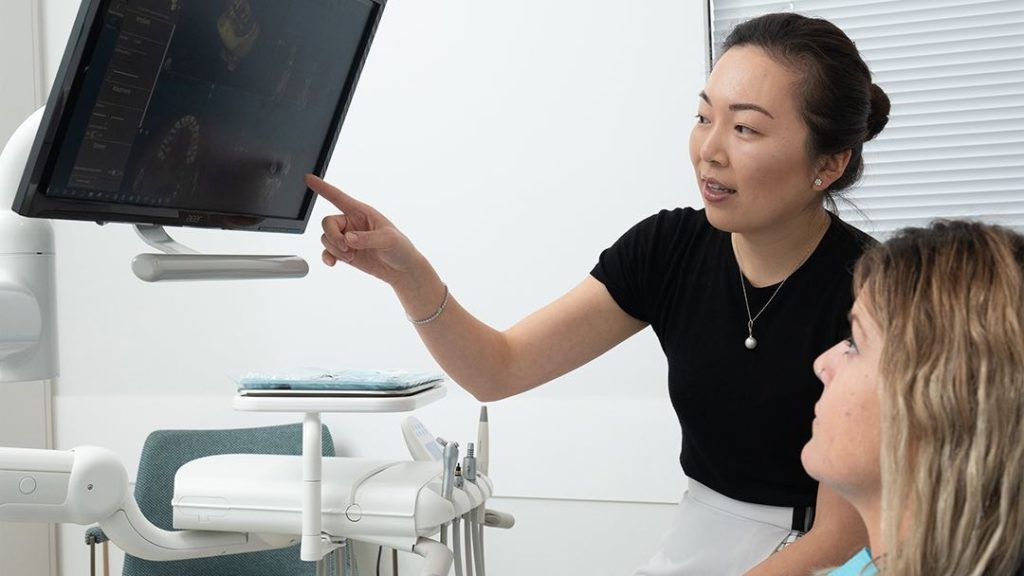
Rather than taking a physical impression, the prepared tooth is captured using a digital scanner. This digital image is used to design the crown on-screen, and the design is then sent to an in-house milling unit, which shapes the restoration from a solid block of ceramic while the patient waits. Once milled, the crown is checked for fit, contact and colour match before being cemented in place.
For suitable cases, this approach may reduce the number of appointments required, remove the need for a temporary crown altogether, and limit the time spent with a numb mouth to a single visit. Whether CEREC is appropriate for a particular tooth depends on its position, the extent of preparation required and other clinical factors, and this will be discussed with each patient individually. Further detail on this service is available on our dental crowns page at odinhousedental.com.au.
Dental Crown Materials
The choice of crown material is guided by the location of the tooth, the functional demands placed upon it, aesthetic considerations and the amount of sound tooth structure remaining. Your dentist will discuss the relative merits of each option in light of your specific situation, whether the crown is being fabricated conventionally or milled on the same day using CEREC.
All-ceramic and zirconia crowns are commonly selected for visible front teeth, as high-strength ceramic materials closely replicate the translucency and colour gradation of natural enamel. Zirconia in particular combines aesthetic qualities with mechanical strength, which makes it suitable for both front and back teeth in many cases, and it is the material typically used in our CEREC restorations.
Porcelain-fused-to-metal crowns, which pair a metal substructure with an outer porcelain layer, have a long clinical history in restorative dentistry. Over time the porcelain may chip, and as the gum line naturally recedes with age, a dark margin can gradually become visible in some patients. Metal crowns made from gold alloy or base metals remain exceptionally durable and require less reduction of the underlying tooth than ceramic options, though their appearance generally confines their use to back teeth, where they are less visible and better suited to bearing higher biting forces.
The Conventional Crown Procedure, Stage by Stage
For crowns fabricated by an external laboratory rather than milled in-house, treatment follows a series of distinct stages. The process begins with a clinical examination and X-rays to assess the tooth’s root structure and the surrounding bone, and any existing infection, decay or gum disease is addressed before preparation of the tooth proceeds.
The tooth is then reduced in size on all surfaces, under local anaesthetic, to create the space a crown requires to sit naturally without appearing bulky. The extent of this reduction depends on the material chosen and the tooth’s existing condition, and patients should understand that preparation of this kind is irreversible before consenting to treatment. Digital scans or impressions of the prepared tooth are then sent to a dental laboratory, and a temporary crown is fitted in the interim to protect the tooth and maintain normal function and appearance while the permanent restoration is fabricated, a process that typically takes one to two weeks. As temporary crowns are less robust than the finished restoration, care should be taken with particularly hard or sticky foods during this period.
At the fitting appointment, the permanent crown is tried in place to check fit, marginal seal, bite and appearance, with adjustments made as required before it is permanently cemented. Mild sensitivity following cementation is common in the first few days and generally settles on its own, though any persistent discomfort should be reported to the practice.
How Long May Dental Crowns Last?
The longevity of a crown varies from patient to patient and is influenced by factors such as oral hygiene, bite forces, whether the patient grinds their teeth, and the standard of the original preparation and fit. Some crowns remain serviceable for many years, while others may need replacement sooner. The tooth beneath a crown remains susceptible to decay at the margins if oral hygiene is neglected, so regular dental review is advised to monitor the condition of existing crowns over time, regardless of whether they were placed conventionally or via CEREC.
Speak With Our Team in Perth
If you have been told you may need a crown, or would simply like to understand your options, including whether you may be suitable for a same-day CEREC crown, our team at Odin House Dental Surgery is here to help. We aim to provide honest, straightforward guidance and to ensure every patient is fully informed before any decision is made. To arrange a consultation, please contact us or book an appointment through odinhousedental.com.au.
Important: Any dental procedure carries risk, and individual outcomes vary and cannot be guaranteed. Before proceeding with any treatment, readers should seek a thorough assessment from a qualified, registered dental practitioner and, where appropriate, a second opinion. The information in this article is general in nature and does not constitute dental advice. Odin House Dental Surgery complies with AHPRA advertising guidelines under Section 133 of the Health Practitioner Regulation National Law.